Our Three Step Process
Canna Cabana’s Organic Growth Engine (How They Pull ~300K Monthly Visitors)
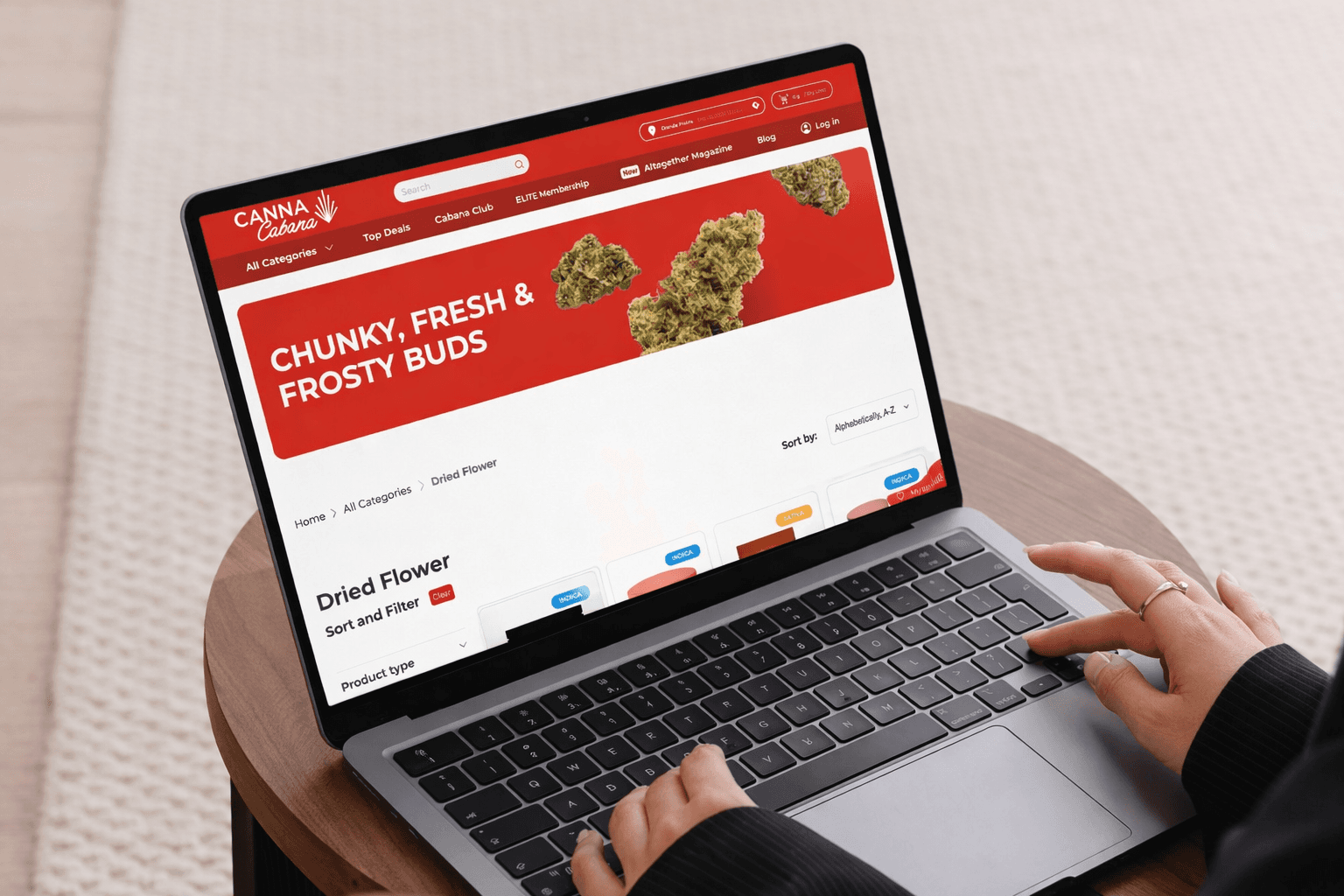
Our Three Step Process
Canna Cabana’s Organic Growth Engine (How They Pull ~300K Monthly Visitors)
Quick Snapshot
Canna Cabana is more than a cannabis retailer — it operates like a discount-club brand built around membership, scale, and value pricing. That positioning alone drives strong branded searches, repeat visits, and consistent high-intent traffic.
Estimated monthly traffic: ~300,000 visits
Category: Cannabis retail & accessories
Model: Discount-club pricing + multi-location network + educational content
The Problem They’re Solving (Better Than Most Stores)
Cannabis and vape retailers face major digital limitations:
Strict restrictions on paid advertising
Intense local competition in every city
Constantly changing product menus
Price-sensitive, fast-decision shoppers
Compliance and age-gating friction
The real challenge isn’t visibility — it’s creating consistent demand without ads.
What They Do Differently (Why Their SEO Works)
1. Turning Deals Into Searchable Pages
Instead of hiding promotions inside homepage banners, Canna Cabana structures deals and collections as real landing pages. This creates repeat traffic loops:
Deals → Discovery → Store Selection → Checkout → Repeat Visits
These pages earn visibility and keep customers coming back organically.
2. Content That Matches Real Buyer Questions
Their content isn’t written to impress — it’s written to answer real searches:
Beginner guides
“What is ___?” explainers
Format education (vapes, carts, edibles)
Accessory and usage guides
This captures top-of-funnel traffic and pushes users toward high-intent category pages.
3. Strong Local & Regional Structure
Their experience is built around store and region selection, which supports:
Local discovery
Inventory relevance
“Near me” search intent
Trust signals like hours, availability, and pickup options
At scale, this structure allows them to dominate local search across Canada.
4. Website Development Choices That Support SEO
Canna Cabana doesn’t rely on blogs alone. Their website foundation quietly does most of the work:
Clean category architecture
Scalable collections that adapt to inventory changes
Internal linking that funnels authority to revenue pages
Mobile-first design for fast shopping
Membership UX that increases branded searches and repeat traffic
The site is built to be crawled, indexed, and converted — without friction.
What Smaller Stores Can Learn From This
You don’t need hundreds of locations to apply this strategy:
Create category pages that educate and convert
Publish intent-based content (not filler blogs)
Structure local pages properly
Prioritize mobile speed and usability
Build deal pages that can rank
Closing Takeaway
Canna Cabana’s traffic isn’t luck — it’s system-driven.
Their growth comes from combining structure, content, and repeat-visit behavior into one ecosystem.
For vape and cannabis retailers, this is the blueprint:
Build a site that ranks like a publisher, educates like a guide, and sells like a store.
Quick Snapshot
Canna Cabana is more than a cannabis retailer — it operates like a discount-club brand built around membership, scale, and value pricing. That positioning alone drives strong branded searches, repeat visits, and consistent high-intent traffic.
Estimated monthly traffic: ~300,000 visits
Category: Cannabis retail & accessories
Model: Discount-club pricing + multi-location network + educational content
The Problem They’re Solving (Better Than Most Stores)
Cannabis and vape retailers face major digital limitations:
Strict restrictions on paid advertising
Intense local competition in every city
Constantly changing product menus
Price-sensitive, fast-decision shoppers
Compliance and age-gating friction
The real challenge isn’t visibility — it’s creating consistent demand without ads.
What They Do Differently (Why Their SEO Works)
1. Turning Deals Into Searchable Pages
Instead of hiding promotions inside homepage banners, Canna Cabana structures deals and collections as real landing pages. This creates repeat traffic loops:
Deals → Discovery → Store Selection → Checkout → Repeat Visits
These pages earn visibility and keep customers coming back organically.
2. Content That Matches Real Buyer Questions
Their content isn’t written to impress — it’s written to answer real searches:
Beginner guides
“What is ___?” explainers
Format education (vapes, carts, edibles)
Accessory and usage guides
This captures top-of-funnel traffic and pushes users toward high-intent category pages.
3. Strong Local & Regional Structure
Their experience is built around store and region selection, which supports:
Local discovery
Inventory relevance
“Near me” search intent
Trust signals like hours, availability, and pickup options
At scale, this structure allows them to dominate local search across Canada.
4. Website Development Choices That Support SEO
Canna Cabana doesn’t rely on blogs alone. Their website foundation quietly does most of the work:
Clean category architecture
Scalable collections that adapt to inventory changes
Internal linking that funnels authority to revenue pages
Mobile-first design for fast shopping
Membership UX that increases branded searches and repeat traffic
The site is built to be crawled, indexed, and converted — without friction.
What Smaller Stores Can Learn From This
You don’t need hundreds of locations to apply this strategy:
Create category pages that educate and convert
Publish intent-based content (not filler blogs)
Structure local pages properly
Prioritize mobile speed and usability
Build deal pages that can rank
Closing Takeaway
Canna Cabana’s traffic isn’t luck — it’s system-driven.
Their growth comes from combining structure, content, and repeat-visit behavior into one ecosystem.
For vape and cannabis retailers, this is the blueprint:
Build a site that ranks like a publisher, educates like a guide, and sells like a store.
Other Projects
Other Case Studies
Check our other project case studies with detailed explanations


Other Projects
Other Case Studies
Check our other project case studies with detailed explanations